Why the Best Interior Photographs Don't Always Show the Whole Room
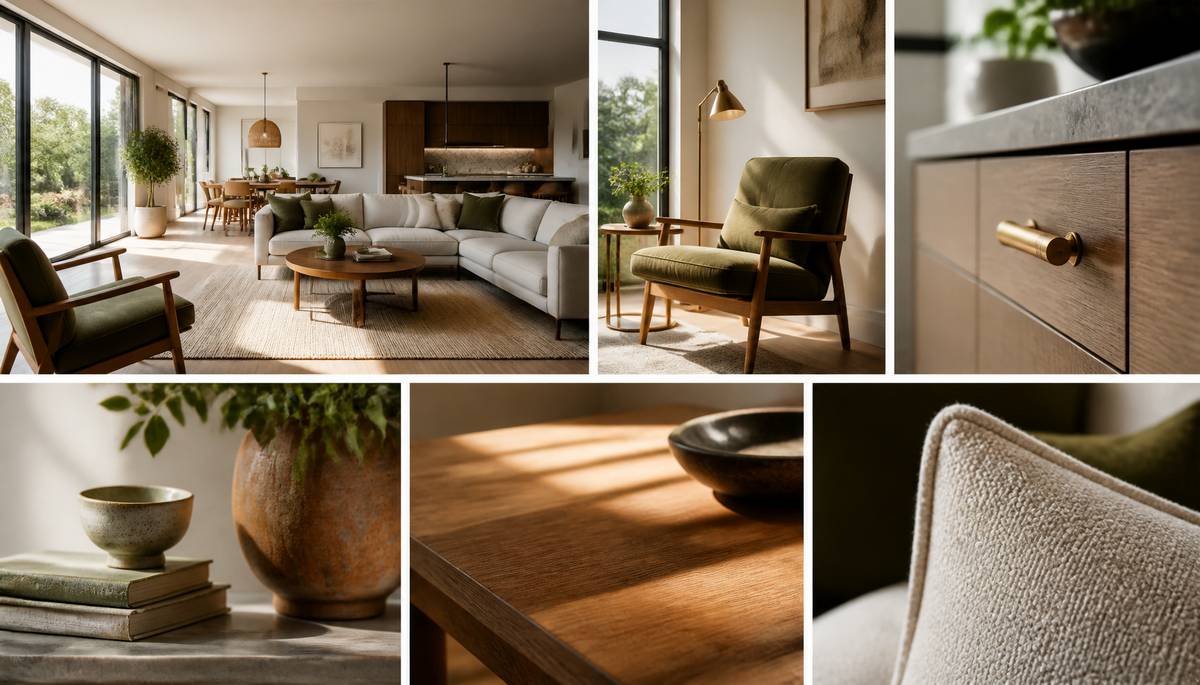 A room can reveal more about itself through the corner of a chair than through a photograph determined to squeeze in every chair, table, lamp, window and suspiciously decorative bowl. Interior photography is sometimes treated as an exercise in completeness: stand far enough back, choose a wide lens and make sure nothing escapes. Yet the strongest collection of interior photographs usually does something more selective. It combines broad views with tighter compositions and carefully observed details, allowing the space to unfold rather than presenting everything at once.
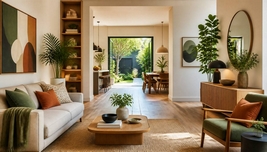
Wide photographs certainly have an important job. They establish scale, layout and the relationship between different parts of a room. For hotels, restaurants, homes and commercial interiors, viewers often need to understand how a space is organised. A wide image can answer practical questions immediately: Where does the seating go? How generous is the room? How does the window relate to the furniture?
But asking every photograph to perform that job can produce a strangely repetitive set of images. After the fourth enormous view of a room, the viewer may understand the floor plan remarkably well while knowing almost nothing about what the place actually feels like.
Let the Wide Shot Establish the Geography A carefully composed wide photograph provides context. Rather than attempting to include every centimetre of the room, it should identify the important relationships within it. Strong architectural lines, furniture placement and natural sightlines can guide the composition without requiring the photographer to retreat into a cupboard.
There is also a practical limit to how wide a photograph should become. Extremely wide lenses can make modest rooms appear enormous, stretch furniture near the edges and create proportions that bear only a passing acquaintance with reality. That may initially look impressive, but viewers are surprisingly good at sensing when a room has been photographically inflated.
A useful wide image therefore describes rather than exaggerates. Once that establishing view has done its work, the photographer can move closer.
Medium Views Bring the Viewer Into the Room Medium compositions occupy an especially useful middle ground. They might show a dining table beside a window, a sofa with the artwork above it, or a kitchen island framed against cabinetry. These photographs remove some surrounding information while preserving enough context to make the subject understandable.
This change in distance can make an interior feel more immediate. Instead of observing the room as though inspecting a property listing, the viewer begins to experience individual areas within it. A reading chair beside a lamp becomes a place where somebody might actually sit. A beautifully laid table becomes an invitation rather than another item on the inventory.
Medium views are also excellent for revealing design decisions that disappear inside a wide composition. The relationship between colours, textures, furniture and lighting becomes clearer when there are fewer competing elements demanding attention.
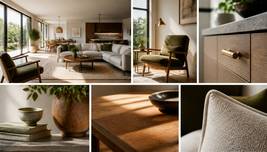
Details Can Say More Than Square Footage Close-up photographs take that selectivity further. A brass handle catching window light, the grain of a timber surface, stitching on an upholstered chair or the junction between two carefully chosen materials can communicate craftsmanship far more effectively than a distant view.
These smaller fragments are not merely decorative extras. They provide evidence of quality. A wide photograph may tell viewers that a room is elegant; a close detail can show why it is elegant. That distinction matters, particularly when an interior has been shaped by bespoke joinery, unusual materials or carefully controlled lighting.
Personality Often Lives in the Smaller Things Details can also reveal the personality of an interior. A stack of well-used books, an unusual ceramic piece, the curve of a staircase handrail or sunlight falling across textured fabric can tell viewers something that a perfectly comprehensive photograph cannot. These elements suggest how the space was conceived and, importantly, how it might actually be experienced.
That does not mean photographing every ornament individually. Nobody needs an investigative series devoted to three cushions and a vase. The aim is to identify details that contribute meaningfully to the character of the room.
This is particularly valuable in interiors where craftsmanship is central to the design. Bespoke cabinetry may occupy only a relatively small portion of a wide photograph, while a closer composition can reveal joints, handles, finishes and subtle changes in material. Similarly, carefully designed lighting can be appreciated through the surfaces it illuminates rather than through another photograph showing every light fitting simultaneously.
Light Becomes a Subject of Its Own Smaller compositions also provide opportunities to photograph light itself. Morning sunlight crossing a wooden floor, a pendant casting a pool of illumination over a table or soft window light revealing the texture of linen can become subjects rather than incidental features.
These photographs often communicate atmosphere particularly effectively because they resemble the way people actually notice interiors. We rarely enter a room and mentally record a complete architectural elevation. Our attention moves. We notice the window first, perhaps, then the chair beside it, then the peculiar little sculpture on the shelf that appears to have cost either five pounds or five thousand.
Photography can recreate this process by changing scale from image to image. The resulting sequence feels less like documentation and more like exploration.
Give Every Photograph a Particular Job A useful approach is to think of an interior photography collection as a series of complementary views. The wide photograph establishes the room. Medium compositions explore its important areas. Close-ups reveal materials, craftsmanship and character.
This variety also makes a collection more useful. Wide images may work particularly well when explaining a property or architectural project, while tighter photographs can be effective for editorial layouts, websites, brochures and social media. Different compositions provide designers and publishers with considerably more flexibility than twenty variations of "entire room from doorway."
The strongest photographs also tend to have a clear visual subject. When everything is included, everything competes for attention. Removing unnecessary information allows the eye to settle. A photograph of one beautifully illuminated corner can consequently have greater impact than an image containing the entire room and approximately seventeen separate reasons to look somewhere else.
Sometimes Less Room Makes More Room Good interior photography is therefore not simply about recording what exists within four walls. It is about deciding what deserves attention and choosing the distance from which it communicates most effectively.
Wide views remain essential, but they become more powerful when surrounded by photographs operating at different scales. Medium compositions introduce intimacy, while close-ups expose qualities that would otherwise disappear into the background. Together, they allow viewers to understand both the structure and the personality of a space.
A successful interior collection does not need to explain everything immediately. Sometimes showing less encourages viewers to look more carefully. And when a photograph can make somebody appreciate the craftsmanship of a cabinet handle or the afternoon light on a chair, it has achieved something considerably more interesting than proving that, yes, the room definitely has four walls.
|
|