The Quiet Art of Visual Flow: Why Some Interiors Feel Effortless
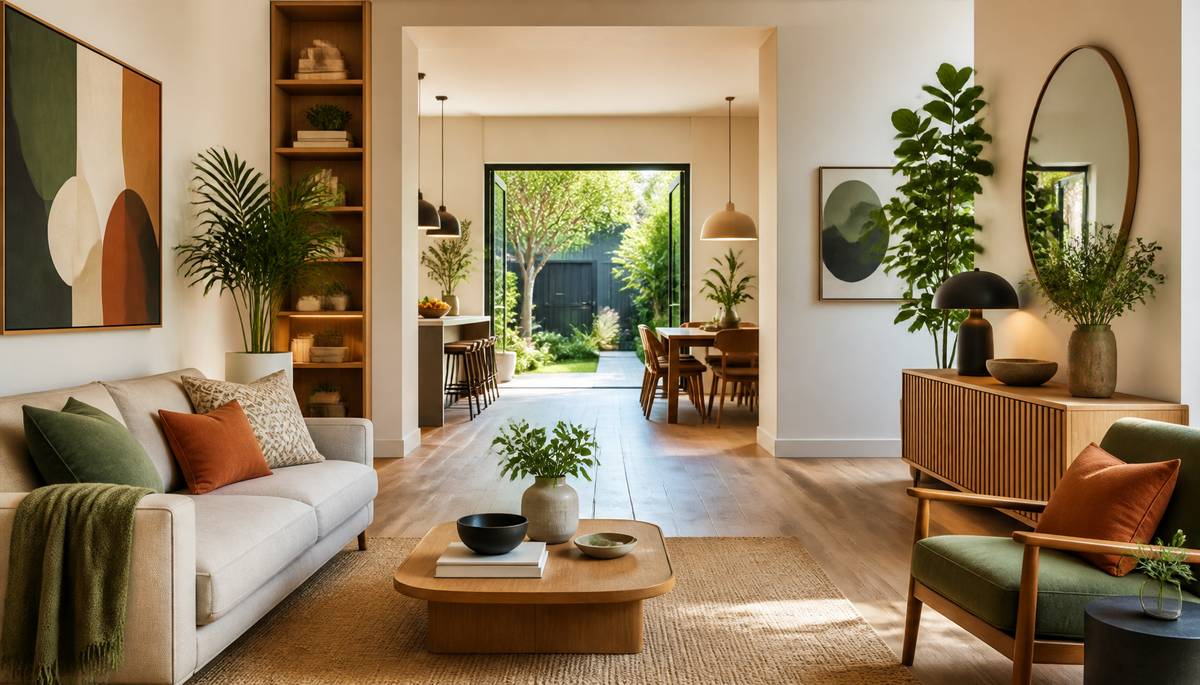 A well-designed room does not shout for attention; it quietly points you toward the sofa, the doorway, the view, or the coffee table you are about to bruise your shin on if someone got the layout wrong.
Visual flow is the subtle order that helps a space make sense before anyone consciously analyses it. It is not about filling a room with expensive pieces or choosing a fashionable paint colour with a name like “Mist Over Beige Feelings.” It is about how the eye travels, how the body moves, and how each design choice supports the next.Sightlines That Do the Heavy Lifting
Sightlines are one of the quietest tools in interior design. When you enter a room, your eye naturally looks for a destination. That might be a window, artwork, fireplace, reception desk, dining area, or beautifully framed view into the next space.
When sightlines are clear, interiors feel calm and intentional. When they are blocked, the room can feel awkward even if every individual item is attractive. A sofa back facing the entrance, a bulky cabinet interrupting a walkway, or a door opening onto visual clutter can all make a space feel less welcoming.
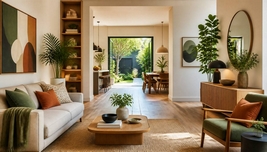
Good design gives the eye somewhere pleasant to land. In homes, this might mean aligning furniture to reveal a garden view. In commercial interiors, it may mean making the reception point instantly visible so visitors are not forced to perform a small panic ballet near the entrance.Proportion Creates Comfort Before Style Arrives
Proportion is the reason some rooms feel balanced while others feel as though the furniture moved in without reading the tenancy agreement. A tiny rug under a large seating area can make everything look stranded. Oversized pendants in a low-ceilinged room can feel oppressive. A narrow corridor packed with heavy finishes may feel more like a polite tunnel than a transition space.
The aim is not mathematical perfection. It is visual agreement. Large rooms often need bigger gestures: generous rugs, substantial lighting, wider artwork, and furniture that can hold its own. Smaller rooms usually benefit from lighter profiles, cleaner lines, and fewer competing focal points.Repetition Without Becoming Predictable
Repetition helps interiors feel cohesive. A timber tone repeated from flooring to shelving, a curve echoed in chairs and lighting, or a colour picked up in small details can guide the eye through a space without making everything match like a hotel lobby designed by a very nervous committee.Colour Balance That Leads Rather Than Distracts
Colour is often discussed in terms of trends, but its greatest strength lies in direction. Carefully balanced colours encourage the eye to move naturally through a room instead of bouncing between competing focal points. Soft transitions between shades create continuity, while stronger accent colours can highlight important features without overwhelming everything around them.
A successful colour palette usually includes moments of contrast, but those moments should feel intentional. If every wall, chair, cabinet, and decorative object competes for attention, the result can feel exhausting rather than exciting. By allowing one or two colours to take centre stage while supporting them with quieter tones, a room gains confidence without becoming noisy.
Commercial interiors benefit from this approach just as much as homes. Restaurants can use colour to define dining zones, offices can subtly distinguish collaborative spaces from quieter work areas, and retail environments can gently encourage movement through displays instead of relying on oversized promotional signs that appear to be shouting from every direction.Materials That Change Gracefully
Visual flow is strengthened when materials transition naturally from one area to another. Flooring that changes too frequently, abrupt shifts in wall finishes, or unrelated textures appearing side by side can interrupt the sense of continuity that makes interiors feel settled.
That does not mean every surface should be identical. Variety keeps spaces interesting. The key is creating relationships between materials. Timber might reappear in shelving after being introduced on the floor. Stone used on a kitchen worktop may be echoed in a smaller detail elsewhere. Metal finishes can quietly connect lighting, furniture hardware, and accessories without demanding applause for their efforts.
Thoughtful transitions also improve how spaces are experienced physically. Moving from one room to another should feel natural rather than like stepping into an entirely different building halfway through making a cup of tea.Giving the Eye Somewhere to Rest
Not every wall needs artwork, and not every shelf requires decoration. Empty space plays an important role in visual flow because it allows surrounding elements to breathe. Rooms that feel effortless often contain less than people expect rather than more.
This restraint helps important features stand out. A beautifully crafted dining table gains presence when it is not competing with five oversized ornaments, three statement lights, and an enthusiastic collection of decorative cushions that appears to have formed its own local government.
Negative space is not wasted space. It is an active design tool that provides balance, improves readability, and creates an atmosphere that feels composed rather than crowded.Flowing in the Right Direction
The finest interiors rarely announce why they feel comfortable. Instead, they quietly encourage people to move naturally, notice the right details, and experience each room without unnecessary distractions. Sightlines, proportion, repetition, colour balance, and carefully considered material transitions all work together behind the scenes, creating environments that feel intuitive rather than forced.
Whether designing a family home, a boutique hotel, a café, or a modern workplace, visual flow is less about following strict rules than understanding how people experience space. When every decision supports the next, an interior develops an effortless quality that remains satisfying long after passing fashions have faded. Good visual flow may never receive compliments by name, but it often earns something even better: people simply enjoy being there without quite knowing why.
|
|