The Changing Landscape of Book Cover Design
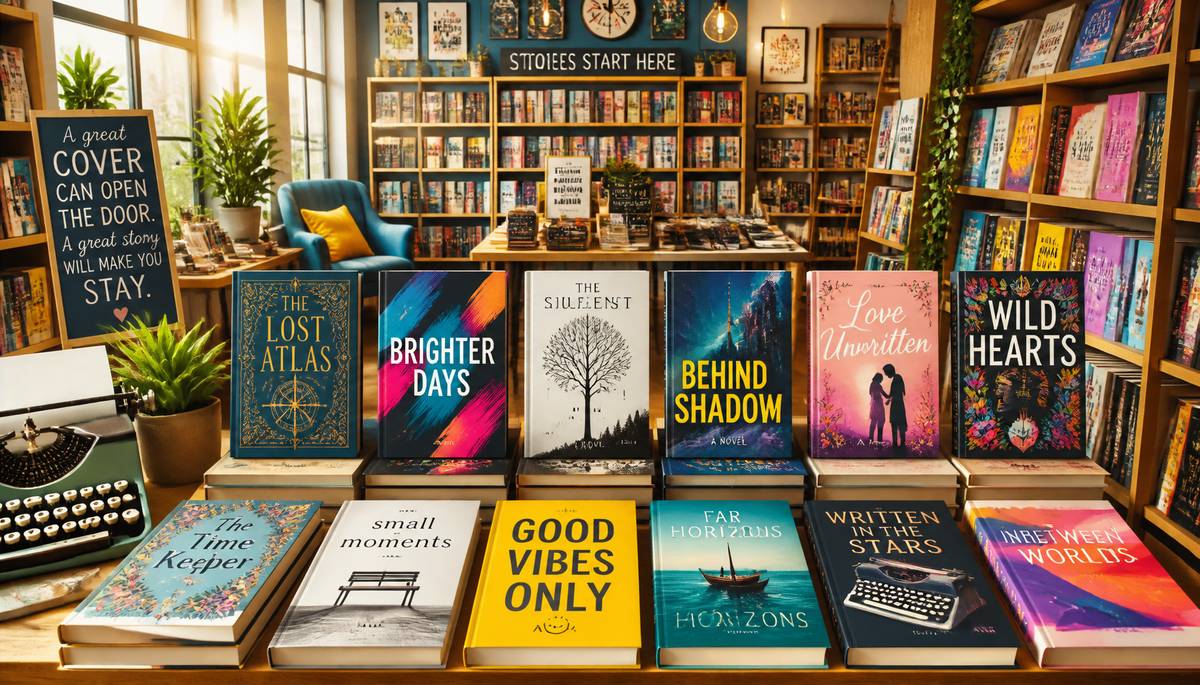
A New Page in DesignWhen a book finds its way onto the shelf, it’s more than just ink and paper; it's a first date in a crowded room. The cover swoops in like a peacock at a pigeon convention, trying to catch the eye of potential readers. But where did this flashy facade come from? Book cover design has evolved over centuries, much like fashion—imagine Jane Austen sporting a neon-colored gown at a ball.In the past, the covers of books often featured ornate illustrations, frayed edges, and the occasional cat hair, courtesy of a disgruntled feline whose ownership of the book was never formally acknowledged. Today, things have changed dramatically, with minimalism and bold typography stealing the spotlight. It's flapper dresses versus skinny jeans, and you can bet that the skinny jeans are winning the popularity contest.From Hand-Painted to High-TechFor centuries, book covers were hand-painted masterpieces, painstakingly crafted by artists who probably looked at their work and thought, 'Sure, this will look great next to the dusty old tomes in some library!' Fast forward to the 21st century: technology swoops in like a superhero, but instead of a cape, it wears a snazzy digital interface. Photoshop is the new da Vinci—minus the beard and the Renaissance.Now, graphic designers can whip up covers faster than you can say “novel idea.” With the click of a button, stunning visuals can be created, manipulated, and shared across the globe. Of course, this raises questions about originality. After all, if a book cover can be designed in a coffee shop, can it really be called a work of art? Or is it just high-tech coffee shop confetti?The Role of Color and TypographyWhen it comes to colors, book covers are like chameleons at a paintball match. Designers know that colors evoke emotions—blues can be calming, reds can be passionate, and yellows can be, well, too sunny, leading to spontaneous beach outings. Typography is equally crucial; the right font can make a reader think, “This book will change my life!” or, “This might just be a recipe for disaster.”Consider covers that scream “Let’s go on an adventure!” contrasted with those that whisper, “I’m probably too deep for you.” The subtle nuances in font choice can transform a book from a bestseller to a dusty relic in your attic. Comic Sans, for instance, will always be there to ruin a perfectly good cover like a party crasher who never gets the hint.Market Trends and Reader PreferencesUnderstanding market trends is essential. Genres have their own cover norms—romance often includes a smoldering couple, while thrillers might feature a shadowy figure lurking ominously. It’s as if each genre has its outfit, waiting for a reason to hit the runway. Readers have become wise to these trends, gravitating toward the covers that speak to them—sometimes to the point of flipping through the pages in search of a plot that will match the dazzling exterior.What’s remarkable is how social media has affected this. Authors and designers share their work on platforms like Instagram, allowing covers to go viral faster than a kitten dressed as a unicorn. This new visibility opens the door for innovative designs that challenge conventions. A cover that’s not just pretty but engaging can start conversations, turning casual browsers into avid fans.Small Press and Indie RevolutionSmall presses and indie authors are shaking things up in the cover design arena. With fewer resources but massive creativity, they embrace unique aesthetics that defy traditional norms, akin to hipsters at a mainstream coffee shop. They’re diving headfirst into bold colors, quirky illustrations, and even unconventional shapes. The result? Covers that not only grab attention but also spark curiosity about the content within.When an indie book hits the shelves with a cover that looks like it was born from a dream—or perhaps a caffeine-fueled brainstorming session after midnight—it’s a chance for readers to discover hidden gems. Often, the content matches the creativity of the cover, resulting in delightful surprises that challenge mainstream titles.Final Thoughts: Cover Your BasesThe evolution of book cover design reveals much about our culture and its shifting aesthetics. As covers become increasingly important in attracting readers, the playful mixture of creativity and technology promises to continue. Each cover represents the soul of the story it houses, and like a well-dressed guest at a cocktail party, it invites you to take a closer look.Whether you’re a traditionalist who loves the classic designs or someone who appreciates the indie flair, it’s clear that the world of book covers has no shortage of creativity. As the saying goes, “Don’t judge a book by its cover” has never been less applicable—because sometimes, a cover can lead to unexpected treasures hiding within those pages.
|
|

