Facilitating Collaboration and Alignment in Design Projects: A Wild Ride to Creative Success
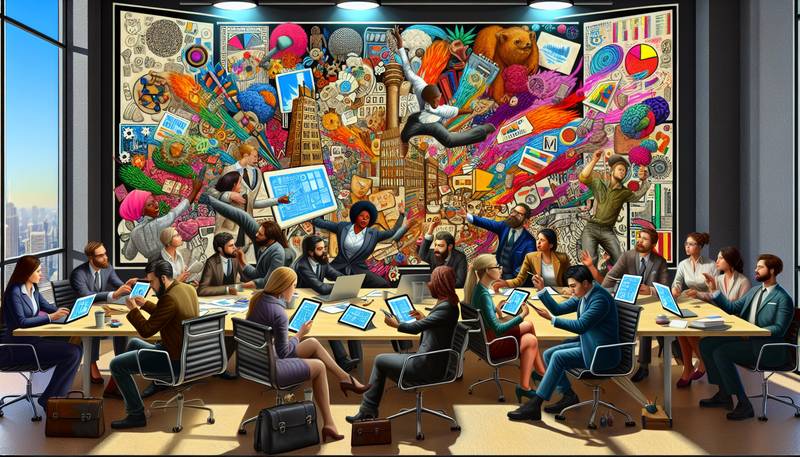
Riding the Roller Coaster of DesignDesign projects are like riding a roller coaster with no seatbelts—thrilling, a little terrifying, and occasionally resulting in someone losing their lunch. As teams embark on this creative adventure, it’s crucial to ensure everyone is on the same wild ride. Collaboration and alignment aren’t just buzzwords; they’re the safety harnesses that keep everyone from tumbling off the track. Whether it’s a brand-new website, a product launch, or an ambitious art installation, the journey starts with a clear vision—and not just one that someone scribbled on a napkin during a late-night taco run. Having a unified vision ensures that team members are pulling in the same direction, or at least in a direction that doesn’t lead to a—how do we put this delicately?—design disaster. Gathering the CrewThe first step? Assemble your team like the Avengers, but with less spandex and more sticky notes. Choose members wisely; you want a diverse group with varying skills, because let's face it, nobody needs another scenario where you realize the only person who can provide input is the intern who thinks 'Photoshop' is a social media platform. When gathering your crew, consider these key players:- Designers: The creative minds who can turn a blank canvas into a masterpiece.
- Developers: The wizards who take designs and bring them to life—sometimes with spells, sometimes with code.
- Project Managers: The ones who keep the chaos at bay, often armed with Gantt charts and caffeine.
- Marketers: The voices that ensure the end product won’t just sit on a shelf collecting dust.
Each member brings their own flavor, and together, they can whip up a project that not only meets expectations but does a little dance along the way.Setting Ground Rules: Not Just For MonopolyOnce the team is assembled, it's essential to set ground rules—think of them as the instructions for your favorite board game. Without them, expect confusion, disputes over who gets to play the banker, and a lot of frustrated sighs. Ground rules can cover anything from communication methods to deadlines, ensuring that everyone is on the same page—preferably the same chapter, too. Encourage open communication—this isn’t the time for secrets like a magician's tricks. Regular check-ins can be as crucial as that third cup of coffee on a Monday morning. During these meetings, team members should feel free to share ideas, ask for help, and maybe even throw in a pun or two.Embracing Creativity: The Good, the Bad, and the QuirkyCreativity can be a wild beast—sometimes it prances elegantly, while other times it rolls around in mud like a toddler. It’s vital to create an environment where ideas can flow freely, even the bizarre ones. After all, some of the most innovative concepts come from those moments when someone thinks, “What if we made an app that identifies your cat’s mood through its meows?” Encouragement should be at the forefront. Yes, even that idea about a glow-in-the-dark toaster could spark a revolutionary design. Foster a safe space for brainstorming sessions where no idea is too absurd, and laughter is just as important as logic. Finding the Right BalanceNow, while creativity is essential, it’s equally important to find a balance between innovation and practicality. Sometimes the brightest ideas can lead to the shiniest traps. Set realistic goals and expectations, and don’t forget to check in with your project manager—trust us, they likely have a calendar that brings together all your scheduling nightmares and transforms them into a manageable timeline.Remember, not every design is going to win a Nobel Prize. Some will be as forgettable as that last reality TV show you swore you wouldn’t watch. But aligning your team with a clear vision and open communication will help ensure the final product resonates with the intended audience.Designing a Legacy: The Final BrushstrokeEvery design project is like a thrilling ride at an amusement park—some climbs are steep, some turns are unexpected, but if you strap in and enjoy the journey, the end result can be a rush like no other. When the project wraps up, celebrate the bumps along the way. Reflect on what worked, what didn’t, and how to avoid turning the next project into a ghost story of design failures. After all, even the most chaotic rides often end with smiles and the sweet taste of cotton candy—or a well-executed design solution.
|
|