Designing for Floating Cities: Architecture on Water
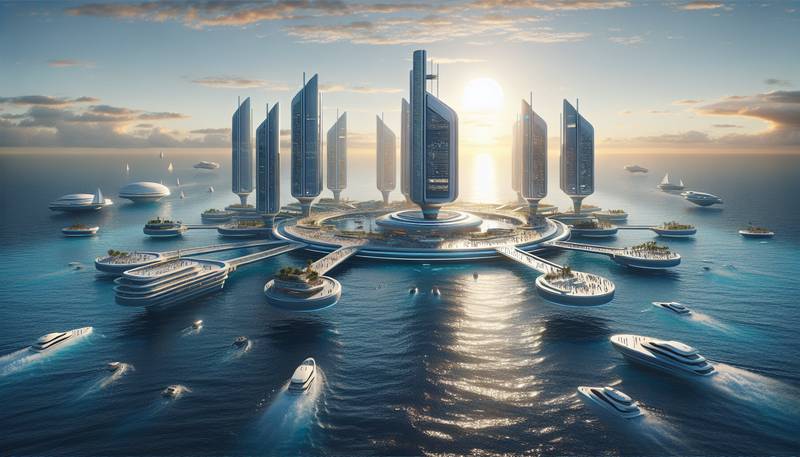
Imagine a world where your neighbor's backyard consists of a stylish deck with direct access to the waves, and your morning commute involves a kayak instead of a car. Floating cities might sound like a concept pulled from a futuristic cartoon, but they are becoming a reality, showcasing architecture that defies gravity—literally. As we navigate through the architectural waves of this fascinating field, we’ll explore the concepts, challenges, and whimsical delights of designing cities that float. The Blueprint Beneath the SurfaceFloating cities are not just the stuff of science fiction; they’re carefully crafted blueprints meant to combat issues like rising sea levels, urban overcrowding, and a general aversion to living too close to your in-laws. These innovative designs, often inspired by nature, focus on sustainability and adaptability. Architects are now taking cues from aquatic life, studying how fish and other marine creatures interact with their environments. If fish could talk, they might just be asking, “Is there a way to add a jacuzzi to this coral?”The designs often include modular platforms that can be rearranged as needed, making them both flexible and functional. Think of it as architectural Legos, with a sprinkle of nautical flair and a dash of adventure. These floating structures can accommodate everything from homes to offices and even parks, ensuring that city life remains vibrant even when it’s afloat.The Perils of Planks and PlatformsWhile the idea of a floating city sounds dreamy, there are a few logistical hiccups that need ironing out, much like the wrinkles in a well-used beach towel. Engineers and architects face challenges such as water stability, weather conditions, and the occasional rogue wave that seems determined to audition for a role in a disaster movie. Ensuring safety and comfort while bobbing on the water is no small feat. Among the significant obstacles is the need for proper infrastructure—after all, finding a Wi-Fi signal while being rocked by the waves can feel like an uphill battle. Waste management, energy sources, and transportation methods also require innovative solutions. One can only hope that floating taxis don’t come with a “drowning” option. Sustainability is at the core of floating city designs. With a focus on renewable energy sources, many projects aim to harness the power of waves and sunlight to meet their energy needs. Solar panels, wind turbines, and even algae farms are being integrated into the architecture to ensure that these cities can power themselves and remain eco-friendly. If only the algae could also handle the cooking—imagine a gourmet meal with a side of seaweed salad.These cities also emphasize the importance of local food production. Aquaculture is becoming a vital component of urban planning on water. Floating farms and gardens can produce food right where it’s consumed, reducing transportation emissions and ensuring freshness. Plus, who wouldn’t enjoy a salad that practically jumps out of the ocean and onto your plate?Finding the Right FloatChoosing the right materials for construction is crucial in floating city design. Light but durable materials are vital, often leading architects to use reinforced concrete, steel, and even recycled plastics. Additionally, designs must consider buoyancy and stability, akin to ensuring that a toddler doesn’t topple over while learning to ride a bike—emphasis on stability over style.Innovative building techniques and materials have emerged, making the floating city concept both feasible and attractive. Picture sleek, modern buildings gliding over the water, resembling a luxury yacht rather than a boat from a cartoon. The design elements can include green roofs, solar facades, and living walls that not only look good but also contribute to the local ecosystem. It’s like giving Mother Nature a high-five while sipping a mint mojito!Life on the Water: It’s Not All Smooth SailingLiving in a floating city may seem idyllic, but leaning into a floating lifestyle also has its ups and downs—sometimes literally. Residents could experience the thrill of gentle rocking as they sip their morning coffee, only to find their toast has taken a dive off the table. Stormy weather could mean trading in that sun-soaked beach day for a bit of indoor adventure—a new kind of surfing, perhaps? The sense of community in these aquatic cities promises to be unique, with neighbors bumping into each other on the docks more often than in traditional neighborhoods. Barbecue nights might shift to “bring your own paddleboard” gatherings, and it’s likely that water balloon fights could become a popular pastime. A Float in the Right DirectionDesigning a floating city is not just about the architecture; it’s about creating a new way of life that harmonizes with nature. As the world faces challenges like climate change and urban sprawl, these innovative solutions offer hope for a future where we can thrive alongside the water. The question is—when’s the official “launch party”?
|