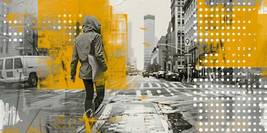
Color Grading in Film: The Hidden Artistry

At First Glance: A World in ColorOnce upon a time, films were merely black and white moving pictures. If you wanted to see color, you had to hold your breath and stare at the screen until your eyes started to water. Luckily for us, progress happened, and now we have color grading! Behind every beautiful scene you see on screen, there’s a wizard—or a dedicated colorist—working their magic to transform raw visuals into pure eye candy.Color grading is like putting on your favorite pair of sunglasses before stepping outside: suddenly everything seems a little brighter, a bit warmer, and a whole lot more appealing. It’s the secret sauce that adds depth, mood, and character to films, turning mundane shots into stunning visual experiences. As if directors weren't already juggling enough plates, the art of color grading swoops in to add another layer of creativity (as well as anxiety) to the filmmaking process.Why Does It Matter?The impact of color grading goes beyond just making things look pretty. When done right, it evokes emotions and tells a story just as powerfully as the script itself. Imagine a horror movie lit with pastel colors—every jump scare would feel more like an unexpected visit from your overly cheerful neighbor. Different colors can evoke different feelings: - Warm colors: Feelings of comfort, happiness, and possibly an unexplained desire for a cup of hot cocoa.
- Cool colors: These tend to bring a sense of calm, but can also leave you feeling like you just had a long chat about existential dread.
- Monochrome schemes: Generally convey seriousness or nostalgia, along with possibly an urge to binge-watch classic film noir.
Directors use these colors to create a specific mood or tone that aligns with the story. A rainy day might be infused with dreary blues, while a romantic picnic could burst with golden yellows and lush greens. When executed with finesse, color grading speaks volumes—even if the dialogue is a little light on content.Tools of the Trade: The Colorist's ToolkitGetting into color grading isn’t like picking out that sharp-looking tie for your job interview. It’s more akin to diving into a vast ocean filled with the latest software tools, each with its own unique capabilities and quirks. Here are a few tools that professionals might use: - DaVinci Resolve: The Swiss Army knife of color grading, it’s like the magical wand that solves all your color-related problems—if you don’t mind a little learning curve that feels like climbing Mount Everest without oxygen.
- Adobe Premiere Pro: Famous for its versatility, it doubles down as both an editing and color grading tool. Just try not to accidentally delete your entire project—it’s globally frowned upon.
- Final Cut Pro: Apple’s pride and joy, it has an interface that’s sleek enough to make you feel like an artist, even if your only experience is drawing stick figures.
These tools are essential to shaping a film’s visual style. With the right blend of skill and software, a colorist can turn a washed-out shot of your Uncle Harold’s backyard barbeque into a cinematic masterpiece. The Impact of Color TrendsJust like fashion, color grading experiences its own trends. Remember the time when everyone decided that overly desaturated colors were the way to go? Suddenly, films started looking like they were filmed through a vintage camera lens that had seen better days. Whether it’s teal and orange or the recent obsession with pastel shades, these trends influence how stories are perceived and felt.As with any trend, there’s a fine line between hitting the mark and ending up in the land of “Why on Earth would they do that?” Color grading is no different; what works brilliantly in one film may leave audiences scratching their heads in another.Lights, Camera, Color!In the end, color grading is an unseen force that breathes life into a film. It’s like the hidden talent at a karaoke night that surprises everyone with a brilliant rendition of a classic—just when you thought it was all auto-tuned pop songs and questionable dance moves.Next time a film captures your heart or sends chills down your spine, take a moment to appreciate that vibrant palette. Behind each scene is a team of dedicated artists painting with pixels, ensuring every frame isn’t just a shot—it's a vivid experience waiting to be embraced. Because when it comes to filmmaking, color might just be the life of the party!
|
|